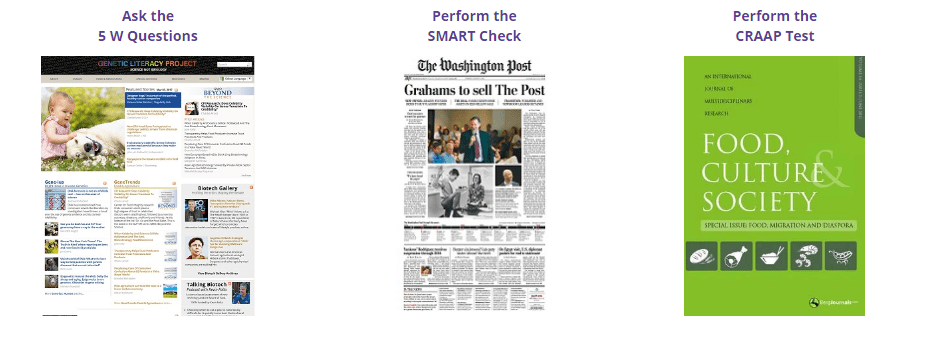
 We wanted to poll some actual high schoolers, and the social app After School verifies its users are actually in high school through their Facebook and other factors. Teens from all 50 states answered poll questions run in the app – just over 39,000 teens in total.
A study from Stanford last year showed that middle and high school students aren’t very good at determining fake news – especially more nuanced things like noticing bias in a source, or understanding the difference between sponsored content and a regular article. (If you want to test your own ability to sniff out fake news, try one of our quizzes to see if you’re actually as good as you think.)
After the 2016 election brought the scourge of fake news into the national conversation, some schools started teaching kids media literacy and how to spot false stories on social media.
The polling standards here are not exactly scientifically rigorous, considering this survey’s results came from a bunch of kids on an app answering a poll. So take this with a grain of salt.
Image courtesy of Buzzfeed.


 Post-truth, alternative facts and fake news. Media has changed a lot since we began tweeting, but the last year has left media and its consumers in a crisis. A Pew Research study revealed that 62 percent of adults get their news from social media. We now live in a hyper-partisan world where sensational fake news often spreads faster than real news, according to a post-election BuzzFeed analysis. In this age of citizen journalism, media literacy is a confusing proposition.