News, People, Technology

Could Ms. Pac-Man train the next generation of military drones?

A recent article in The New Yorker explains how the video game (and sometimes feminist) icon will possibly impact the creation and use of military drones.

Pac-Mania was short-lived. The way in which the game was programmed meant that skilled and attentive players could eventually memorize its patterns. With mastery came boredom….Ms. Pac-Man’s grand innovation was to randomize the movements of the ghosts, named Inky, Blinky, Pinky, and Sue.

Three decades later, these simple tweaks serve a weighty new purpose. The skill that Ms. Pac-Man demands of its players—making multi-objective, dynamic decisions quickly—turns out to be the same ability that artificial-intelligence researchers wish to program into many of their bots. And according to Silvia Ferrari, the director of Cornell University’s Laboratory for Intelligent Systems and Controls, the game is an especially ideal environment for training autonomous military machines. In January, a bot that she created with three of her colleagues set a new A.I. world record for Ms. Pac-Man, beating the previous record by more than seven thousand points.

Read more at The New Yorker.

Image courtesy of The New Yorker.
News, Technology

Robots, automation, AI everywhere!

Several articles tackle this sensitive issue, explaining how a recently published study can explain a central question about robots: whether they replace human workers or augment them by boosting productivity.

This article from Quartz says:

In a recent study (pdf), economists Daren Acemoglu of MIT and Pascual Restrepo of Boston University try to quantify how worried we should be about robots. They examine the impact of industrial automation on the US labor market from 1990 to 2007. They conclude that each additional robot reduced employment in a given commuting area by 3-6 workers, and lowered overall wages by 0.25-0.5%.

Read more at Quartz.

Meanwhile, this second article from The Verge adds:

The fear that automation in the form of robots or artificial intelligence is going to destroy jobs is widespread. But it can be difficult to gauge just how serious to take the threat. Different reports offer different estimations of how many jobs will be lost, while politicians and economists argue that technology creates as many jobs as it destroys, maintaining an equilibrium in employment over the long run.

Read more at The Verge.

To wrap up this challenging discussion on a high note, here is a video currently making the rounds entitled “Rayna meets a robot.” Watch out, it will give you the feels.

Fake News, Net Neutrality, News, Privacy, Technology

Internet privacy protections must be upheld

Republican senators moved Thursday to dismantle landmark internet privacy protections for consumers in the first decisive strike against telecommunications and technology regulations created during the Obama administration, and a harbinger of further deregulation.

The move means Verizon, Comcast or AT&T can continue tracking and sharing people’s browsing and app activity without permission, and it alarmed consumer advocates and Democratic lawmakers. They warned that broadband providers have the widest look into Americans’ online habits, and that without the rules, the companies would have more power to collect data on people and sell sensitive information.

Read more about this recent ruling at The New York Times.

Take action! Net neutrality is essential to everything we need in our society and democracy — from educational and economic opportunities to political organizing and dissent. Millions of people fought for over a decade to secure lasting Net Neutrality protections. We will not accept anything less. We urge you to reject any attacks on real Net Neutrality.

To make your voice heard in telling lawmakers that net neutrality is not negotiable click here.

Image courtesy of The New York Times.

Fake News, News, Technology

Smart screens and cell phones possibly keeping youth from drug use

A recent article in The New York Times noted the rise in smart screen and cell phone use, at the same time as a decline in drug use among teens.

Over the last ten years, the two have been slowly gaining momentum, and a new study shows interesting statistics. “Monitoring the Future,” an annual government-funded report measuring drug use by teenagers, found that past-year use of illicit drugs other than marijuana was at the lowest level in the 40-year history of the project for eighth, 10th and 12th graders.

Use of marijuana is down over the past decade for eighth and 10th graders even as social acceptability is up, the study found. Though marijuana use has risen among 12th graders, the use of cocaine, hallucinogens, ecstasy and crack are all down, too, while LSD use has remained steady.

Even as heroin use has become an epidemic among adults in some communities, it has fallen among high schoolers over the past decade, the study found.

Read more at The New York Times.

Image courtesy of The New York Times.

News, Politics, Technology

Is TV really sheltering kids from climate change?

There’s no shortage of preschool shows that talk about nature and the environment. Toons like Nature Cat, Dora the Explorer, Bubble Guppies, and Ready Jet Go! cover everything from animal habitats, to sand dunes and the weather. But one of the most taboo topics for kids shows these days relates to the C words—climate change. The topic isn’t openly spoken about in any science-focused shows for young kids. But there’s more to the story.

Save for lone references in shows like Doc McStuffins and Dora the Explorer, kids series may not purposely talk about climate change—but they are still familiarizing kids with the concept.

“I think that these are complex issues, so they have to be handled in a simple way,” says  Cathy Galeota, Nickelodeon SVP of preschool production.

Hear from Cathy, Frances Nankin, a curriculum adviser for PBS KIDS series Nature Cat and Linda Simensky, VP of children’s programming at PBS on how these issues are being explained to young children through popular television shows.

Read more at Kidscreen.

Image courtesy of Kidscreen.

naturecat

News, Politics, Social Media, Technology

Chatbot using Facebook Messenger app now helping refugees claim asylum

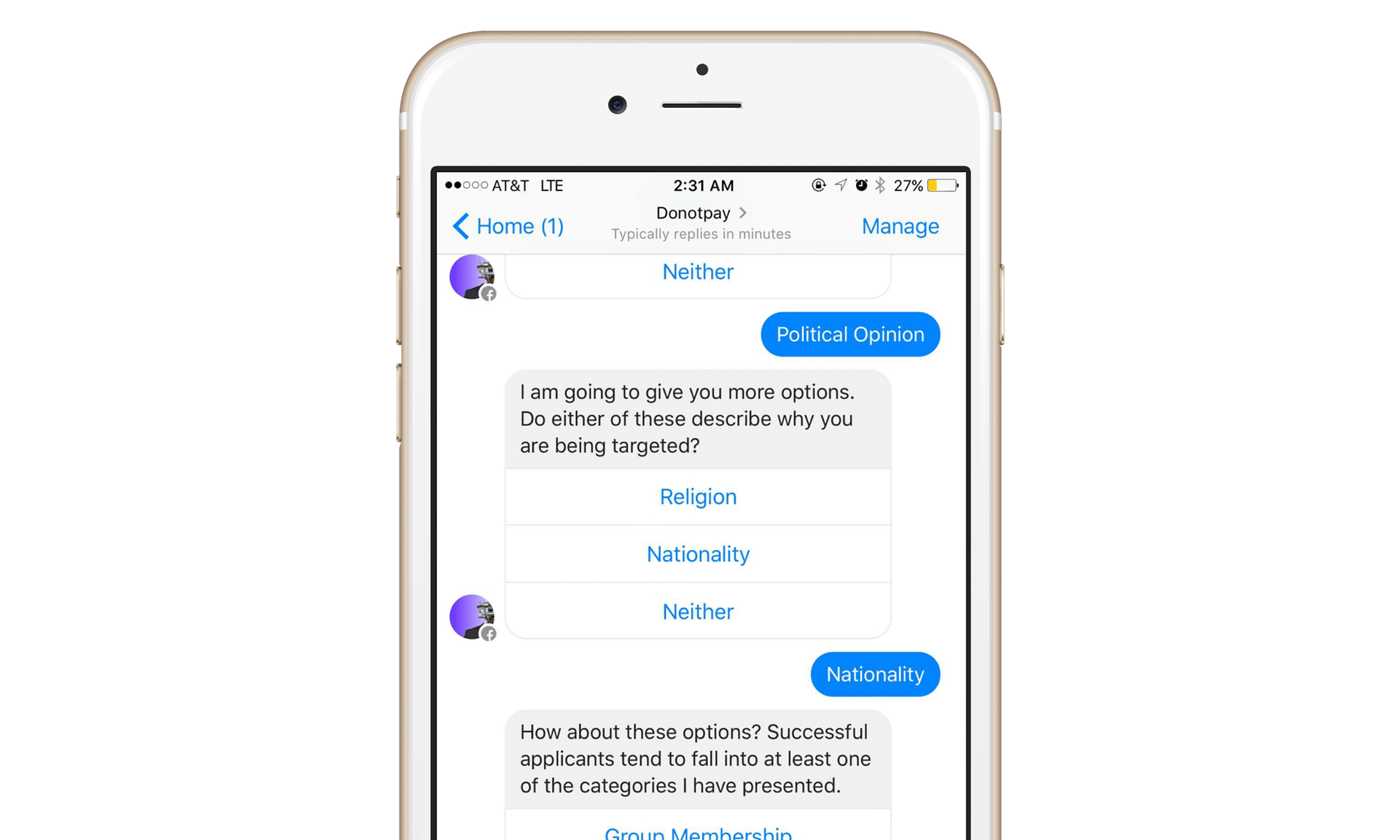
The creator of a chatbot which overturned more than 160,000 parking fines and helped vulnerable people apply for emergency housing is now turning the bot to helping refugees claim asylum.

The original DoNotPay, created by Stanford student Joshua Browder, describes itself as “the world’s first robot lawyer”, giving free legal aid to users through a simple-to-use chat interface. The chatbot, using Facebook Messenger, can now help refugees fill in an immigration application in the US and Canada. For those in the UK, it helps them apply for asylum support.

Read more at The Guardian.

Image courtesy of The Guardian.

Advertising, News, Technology

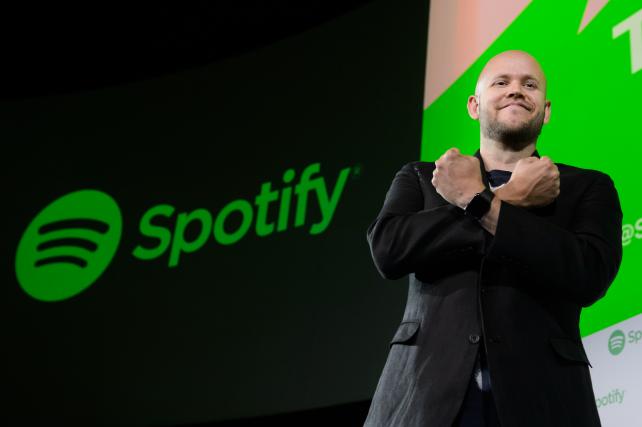
Unlikely partnership between 165-year-old publisher and hot internet company gaining notice

New York Times Co., looking for ways to persuade readers to pay for news, is working with Spotify to give new digital subscribers to the newspaper free access to the world’s largest music-streaming service.

Readers who buy one-year online subscriptions to the Times will also get unlimited access to Spotify’s premium service, which costs $120 annually, the companies said Wednesday.

Read more at Ad Age.

Image courtesy of Ad Age.

Net Neutrality, News, Politics, Privacy, Technology

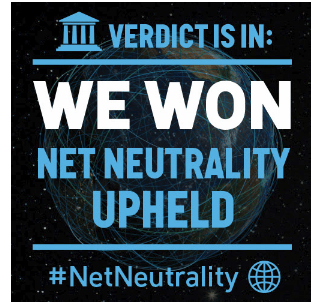
Court win gives FCC the power to protect net neutrality

There’s big news about the legal battle that has been waging over the issue of net neutrality. A panel of judges has now ruled in favor of the FCC’s net neutrality rules.

Free Press President and CEO Craig Aaron made the following statement about the decision:

“Today’s ruling is a great victory for the millions and millions of internet users who have fought for years for Net Neutrality. They have fought to ensure that the FCC has the power to protect everyone’s right to connect and communicate online. The court upheld the agency’s clear authority to prevent internet service providers from unfairly interfering with our communications. It confirmed that this authority stands on bedrock communications law and recognized the vital role that the open internet plays in our society.

Read the entire June 13 Free Press announcement.

For information about the ruling see the June 15, read more at the New York Times.

Advertising, News, Politics, Technology

FCC approves Charter merger

Free Press reports that according to several news reports, the Federal Communications Commission has voted to approve Charter Communications’ $90 billion takeover of Time Warner Cable and Bright House Networks.

The merger combines the nation’s second-, third- and sixth-largest cable-TV and Internet providers. After the merger closes, two Internet service providers, Charter and Comcast, will control nearly two-thirds of the nation’s high-speed Internet subscribers.

Read more at Free Press.